I recently shared a message at my meeting about the story of Jesus turning water into wine (John 2:1-11) and I can’t stop thinking about how it might speak to Friends who are working and praying for transformation.
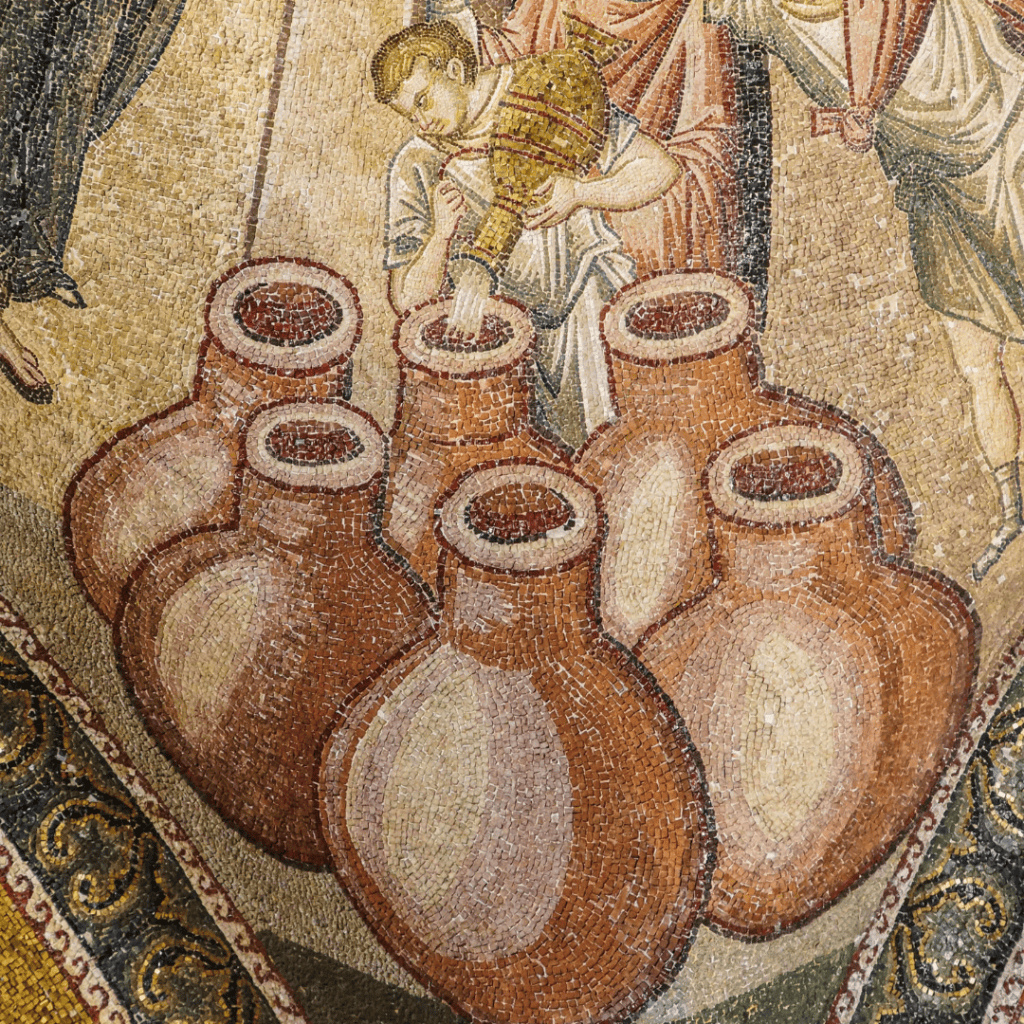
It’s a great story about a miracle that launched Jesus’ ministry and became a “sign” of things to come. But before any miracles happen, there is a lot of humanity and hilarity. It begins with all the drama I’ve witnessed at many weddings — family conflict, stressed-out hosts, anxiety and excitement mingling in the air, and a sense of holy possibility as a new union comes into being.
Then the unthinkable happened: they ran out of wine. And all the Quakers in the room breathed a sigh of relief. They thought the event needed water-ed down, anyhow.
Danish philosopher Soren Kierkegaard said: “Christ turned water into wine, but the church has succeeded in doing something even more difficult: it has turned wine into water.”
Ouch! We can be guilty of this in the Religious Society of Friends. We take a life-changing, world-shaking message and reduce it to an orderly process or handy acronym (both of which have their place!). Or, we transform the liberating revelations and convictions of early Friends and reduce them to legalistic rules or political orthodoxies. It didn’t take long for Friends to start turning wine into water. Margaret Fell was already having to resist a “silly, poor gospel” in her day.
Nevertheless, most of the Friends I know want to see water turned into wine. We want to see new life and renewed passion and Spirit. But we are afraid our meetings will never be anything but ordinary water. Stagnant water, no less.
There is a sense in which only God can truly turn water into wine — only One can speak to our condition, renew our spirits, and revitalize our meetings.
But that doesn’t mean we can’t be partners and participants. We can still follow Mary’s guidance: “Do whatever he tells you.”
And maybe the Present Christ is giving us guidance that is similar to the instructions Jesus gave to the servants in the story: “Fill the jars with water.”
They started with the available water and the jars that were close at hand — six stone jars used for religious ceremonies. And Jesus and the people co-created something joyful and communal and sacred. It became a sign — a sign that the best days for that family or that town or that spiritual community weren’t behind them. Indeed, the best was yet to come.
We too can use what’s near and real in our meetings and churches. “Start close in,” as the poet David Whyte advised. Fill the jars “to the brim.” Not out of religious routine, but with a spirit of expectancy and possibility. Doing common things with uncommon intention. Doing old things with new intensity. Whatever our six jars might be — our practices, our relationships, our resources — we can keep them filled up and keep them available to whatever magic or transforming power comes our way.